
Trader Talk Pullback Meaning: Simple Guide to Trading Pullbacks
You hear traders say "wait for the pullback" or "buy the pullback." But what does it actually mean? A pullback is a small pause in a big move. It is when price goes against the main trend for a short time. Then it continues in the original direction.
This guide explains trader talk pullback meaning in simple words. You will learn how to spot a pullback. You will learn the difference between a pullback and a reversal. You will also learn how to trade pullbacks in stocks and crypto. No complicated terms. Just clear information that helps you trade better.
What Is a Pullback in Trading?
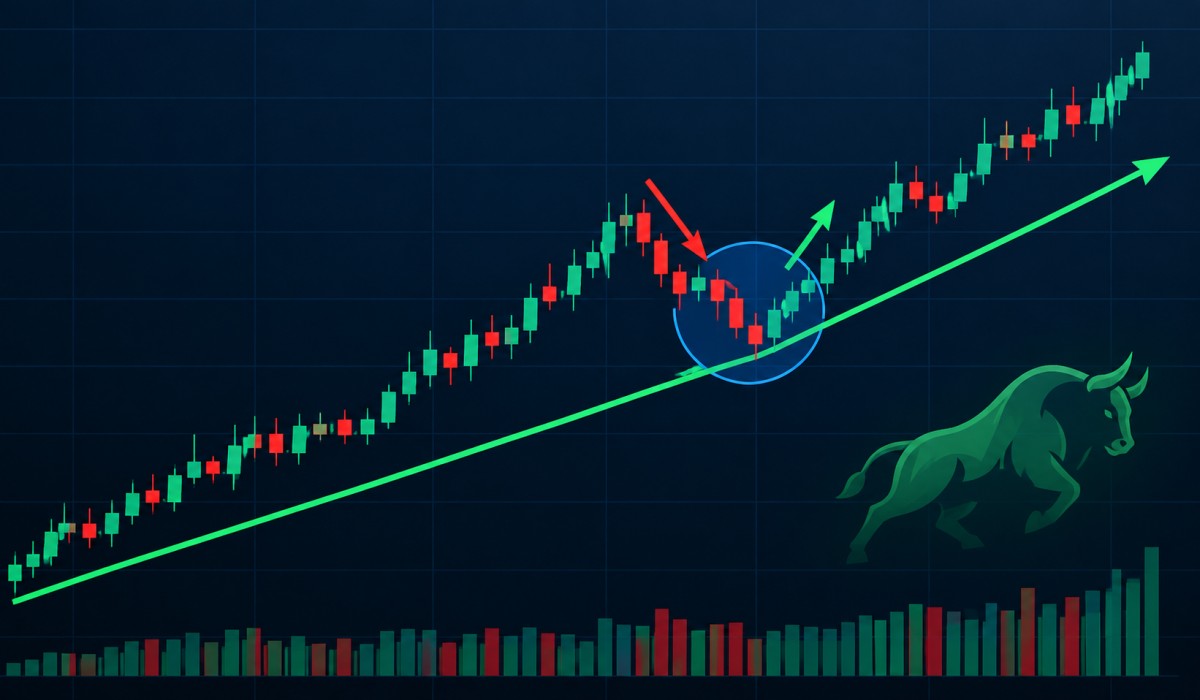
A pullback is a small, temporary drop in price during a larger uptrend. It is like a pause. The price goes up. Then it pulls back a little. Then it continues going up. Think of it like climbing stairs. You go up a few steps. Then you pause. Then you go up again. The pause is the pullback.
A pullback is not a reversal. A reversal means the trend changes direction. A pullback means the trend is still intact. It is just taking a break.
Read More:How to Use VWAP for Intraday Trading: Simple Guide

Why Do Pullbacks Happen?
Pullbacks happen for a few reasons.
- Profit booking. Traders who bought earlier sell to take profits. This pushes the price down temporarily.
- New buyers waiting. Some traders did not buy at the top. They wait for a dip. When the dip comes, they buy. This supports the price.
- Market noise. Not every move has a reason. Sometimes prices just move up and down naturally.
How to Identify a Pullback in Trading?
Identifying a pullback is not hard. Look for these signs.
- The overall trend is up. The stock is making higher highs and higher lows. This is an uptrend.
- Price drops but does not break support. The drop stops at a key level. This could be a moving average, a trendline, or a previous support level.
- Volume drops during the pullback. When price pulls back, volume should be lower. Low volume means sellers are not aggressive. This is a good sign.
- Price bounces back. After the pullback, the price resumes its upward move. This confirms the pullback is over.
Trader Talk Pullback Meaning Example
Let me give you a simple example.
- A stock is trading at 100. It rises to 120 over two weeks. Then it drops to 110. Then it rises again to 130.
- The drop from 120 to 110 is the pullback. The trend was up. The pullback was temporary. Then the trend continued.
- If the price had dropped below 100 and stayed there, that would be a reversal. Not a pullback.
Types of Pullback in Trading
Not all pullbacks are the same. Here are the main types.
1. Simple Pullback
This is a short drop. It lasts one to three days. It is shallow. It does not go deep. It is the most common type.
2. Complex Pullback
This lasts longer. It may take one to two weeks. It may have multiple small drops. It tests the patience of traders.
3. Deep Pullback
This drops more than usual. It may go to a major support level. It scares many traders. But if the trend is strong, it can still recover.
4. Intraday Pullback
This happens within a single trading day. The price drops in the morning. Then it recovers by afternoon. This is common in day trading.
Trader Talk Pullback Meaning Crypto
- Crypto markets have pullbacks too. But they are more extreme.
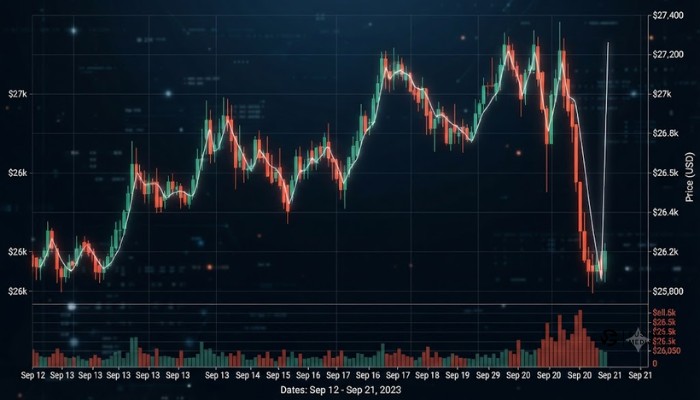
- Bitcoin can rise 20% in a week. Then it drops 10% in a day. That drop is a pullback. Then it may rise again.
- Crypto pullbacks are sharper. They happen faster. The volatility is higher. So the pullbacks are bigger.
- The same rules apply. Look for the overall trend. Look for support levels. Look for volume changes. But expect bigger moves.
How to Trade a Pullback?
Pullbacks offer buying opportunities. Here is how to trade them.
- Wait for confirmation. Do not buy the moment price drops. Wait for it to stop falling. Wait for it to start rising again.
- Identify support. Where did the price stop? Was it a moving average? A trendline? A previous low? This is your support.
- Use a stop-loss. Place your stop below the support level. If the pullback turns into a reversal, you exit with a small loss.
- Target the previous high. Your first target is the previous high. If price breaks above it, the trend continues.
You May Also Read: Gap Up and Gap Down Trader Talk Meaning: Simple Guide
Common Mistakes
- Buying too early. You see a drop and buy immediately. But the drop continues. You lose money. Wait for confirmation.
- Confusing pullback with reversal. A pullback is temporary. A reversal is permanent. If price breaks major support, it is a reversal.
- Ignoring volume. Low volume pullbacks are healthy. High volume pullbacks are dangerous. High volume means strong selling.
- Not using stop-loss. Always protect your capital. A stop-loss limits your loss if you are wrong.
Quick Summary
| Feature | Pullback | Reversal |
|---|---|---|
| Trend | Continues | Changes |
| Duration | Short | Long |
| Depth | Shallow | Deep |
| Volume | Low | High |
| Action | Buy the dip | Exit or short |
FAQs
1. What is a pullback in trading?
A pullback is a small drop in price within a bigger uptrend. Or a small rise within a bigger downtrend. It is temporary. The main trend continues after.
2. How do I identify a pullback?
Check the trend first. Look at volume. Find support levels. Use RSI. A pullback usually has falling volume. Price holds at support. A reversal has spiking volume. Price breaks support.
3. What is the difference between a pullback and a reversal?
A pullback is temporary. The trend continues. A reversal is permanent. The trend changes. Volume and support levels help you tell the difference.
4. Can I trade pullbacks in crypto?
Yes. Crypto pullbacks are common. They are bigger han stock pullbacks. A 20-30% drop is normal. Use the same tools: trend, volume, support, RSI.
5. What are the types of pullbacks?
Simple pullback (1-3 days). Complex pullback (sideways or patterns). Deep pullback (50%+ retracement). Shallow pullback (20-30% retracement).
6. How do I trade a pullback?
Wait for the pullback in a trend. Find support. Wait for confirmation like a bullish candle or RSI turning up. Enter with a stop-loss below support. Target the previous high.
7. What is a deep pullback?
A deep pullback drops 50% or more of the previous move. It looks scary. But it can still be a pullback if the trend holds. These are riskier. Use tighter stops.
8. What is a shallow pullback?
A shallow pullback drops only 20-30%. It happens in very strong trends. Price does not come back much. These are hard to catch. You may need to enter early or miss the trade.