
How Rising Treasury Yields Affect Bonds: A Simple Guide for Investors
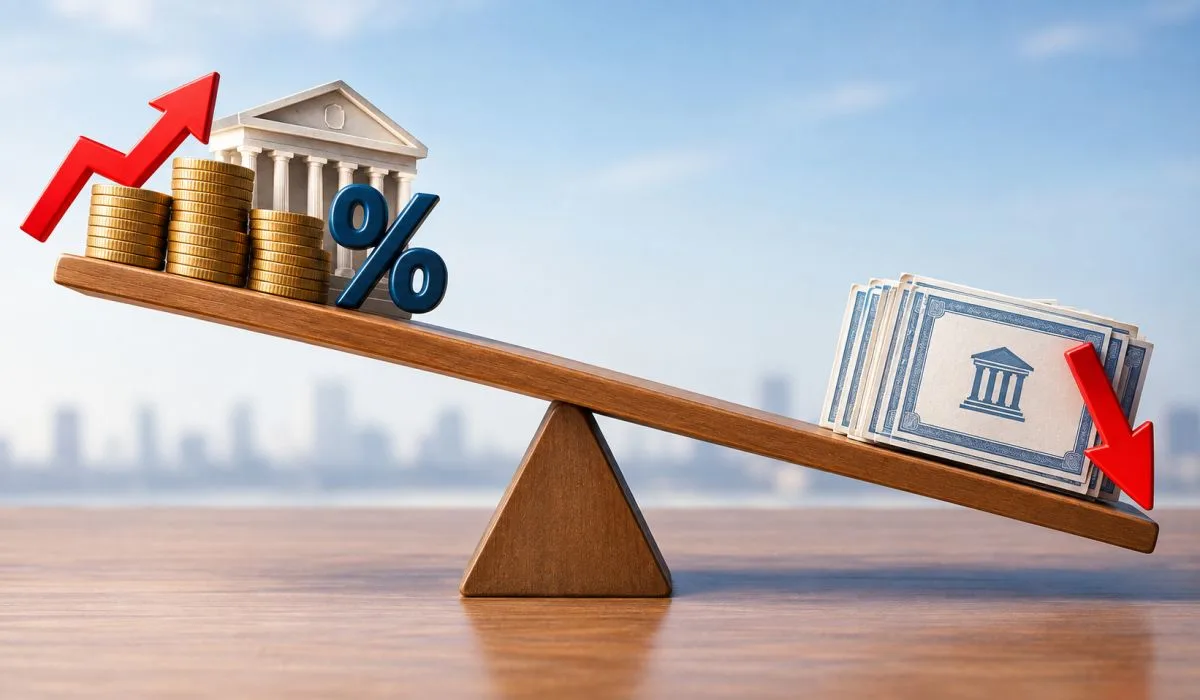
When Treasury yields rise, bond prices fall. This is the first rule every bond investor must know. It sounds simple. But it has a big effect on your money. If you hold bonds, their value drops when yields go up. Longer bonds fall more than shorter ones.
This guide explains how rising treasury yields affect bonds in plain words. You will learn why this happens. You will learn what to do when rates rise. You will also learn if it is best to buy bonds when interest rates are high. No confusing terms. Just clear information to help you protect your money.
The Basic Rule: Prices and Yields Move Opposite
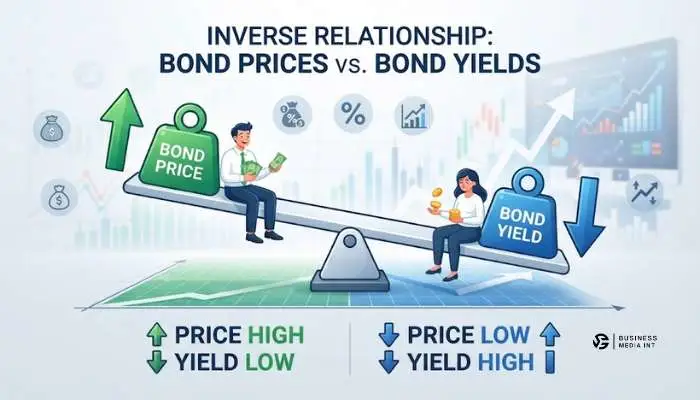
Bond prices and bond yields move in opposite directions. This is called an inverse relationship. When yields go up, prices go down. When yields go down, prices go up. Think of it like a seesaw. One side is the yield. The other side is the price. When one goes up, the other goes down.
Read More: Secured vs Unsecured Bonds India: Key Differences Explained
Why Does This Happen?
Let me explain with a simple example.
- You buy a bond for 1,000. It pays 3% interest. That is 30 per year.
- Now imagine market interest rates rise to 4%. New bonds now pay 40 per year. Who will buy your bond for 1,000 when they can get a new bond paying more?
- Nobody. So you must lower your price. You sell your bond for 925. Now the buyer gets 30 interest on a 925 investment. That works out to about 4%. The yield has risen because the price fell.
This is why rising rates cause existing bond prices to fall.
What Happens When Treasury Yields Rise?
US Treasury yields are a benchmark for bonds worldwide. When they rise, several things happen.
Existing Bond Prices Fall
Your old bonds become less attractive. New bonds offer higher interest. To sell your old bonds, you must accept a lower price.
Longer Bonds Fall More
Not all bonds react the same way. Bonds with longer maturities are more sensitive to rate changes. A 30-year bond will fall more than a 2-year bond when rates rise.
Here is why. A long bond locks your money for many years. If rates rise, you are stuck with a low interest rate for a long time. So the price must drop more to attract buyers.
Short Bonds Are Safer
Short-term bonds are less affected by rate changes. They mature soon. You can reinvest at higher rates quickly. This is why experts suggest shorter bonds when rates are rising.
Are Bond Yields Falling or Rising?
This depends on many factors. Yields are driven by two main things: expectations and risk premium.
- Expectations include what people think will happen to inflation and short-term interest rates. If inflation is expected to rise, yields go up. If inflation is expected to fall, yields go down.
- Risk premium is the extra compensation investors demand for holding long-term bonds. When uncertainty is high, this premium rises. When uncertainty is low, it falls.
In 2025, UK long-term rates hit their highest levels in over a decade. The main driver was global uncertainty and fiscal concerns. Real term premia pushed rates up.
Is It Best to Buy Bonds When Interest Rates Are High?
High rates can be good for bond investors. Here is why.
- When you buy a bond at a high rate, you lock in that higher income for years. If rates later fall, your bond price rises. You get both higher income and capital gains.
- But there is a catch. You do not know if rates will go higher. If you buy now and rates rise more, your bond price falls. You face a paper loss.
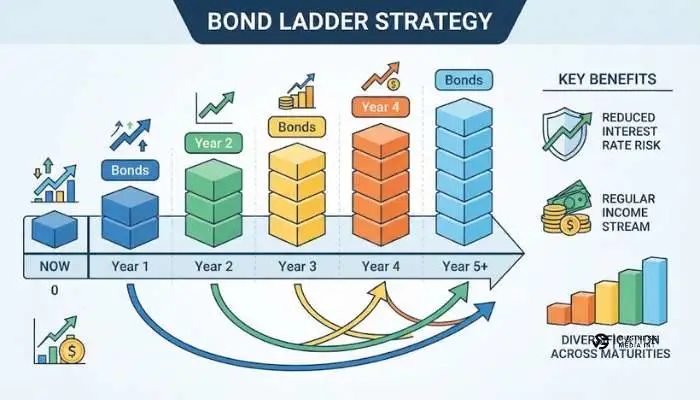
- Experts suggest a middle path. Do not try to time the market perfectly. Instead, invest across different maturities. This is called bond laddering. It spreads your risk.
What Happens If Bond Yields Fall?
When yields fall, bond prices rise. Your existing bonds become more valuable. New bonds pay less. Investors pay more for your higher-paying bonds.
Long-duration bonds benefit the most when rates fall. They give you the biggest price gains.
But there is a problem. When rates fall, companies may call their bonds. This means they repay early. You get your money back. But you must reinvest at lower rates. This is called call risk.
You May Also Read: Can Bonds Be Sold Before Maturity in India? Complete Guide
Quick Summary
| Event | Effect on Bond Prices | Effect on Bond Yields |
|---|---|---|
| Rates Rise | Prices Fall | Yields Rise |
| Rates Fall | Prices Rise | Yields Fall |
| Long Bonds | Bigger Price Change | More Sensitive |
| Short Bonds | Smaller Price Change | Less Sensitive |
FAQs
1. Why do bond prices fall when Treasury yields rise?
New bonds offer higher interest. Old bonds with lower interest become less attractive. To sell them, you must lower the price. This makes the yield go up.
2. Which bonds are most affected by rising yields?
Long-term bonds are most affected. A 30-year bond will fall more than a 2-year bond. The longer your money is locked, the more the price drops when rates rise.
3. Is it good to buy bonds when rates are high?
Yes, high rates lock in higher income. If rates later fall, your bond price rises. But you must be ready for more rate hikes. Do not invest all at once. Use a bond ladder.
4. What happens to my bonds if yields fall?
Your bond prices rise. You get capital gains. But new bonds pay less. If you hold to maturity, you still get your full principal back.
5. What are the main drivers of bond yields?
Two things drive yields. First, expectations of inflation and short-term rates. Second, risk premium. When uncertainty rises, risk premium rises. This pushes yields up.
6. Should I sell my bonds when rates rise?
Not necessarily. If you hold to maturity, you get your full principal back. You do not realize a loss. Selling early means you lock in the price drop.
7. What is duration in bond investing?
Duration measures how sensitive a bond is to rate changes. Higher duration means more price change when rates move. Long-term bonds have higher duration.
8. Are bond yields falling in 2026?
This depends on the market. In 2025, long-term rates were high due to global uncertainty. They fell back slightly by year end. But they remain near histori highs compared to recent years.