
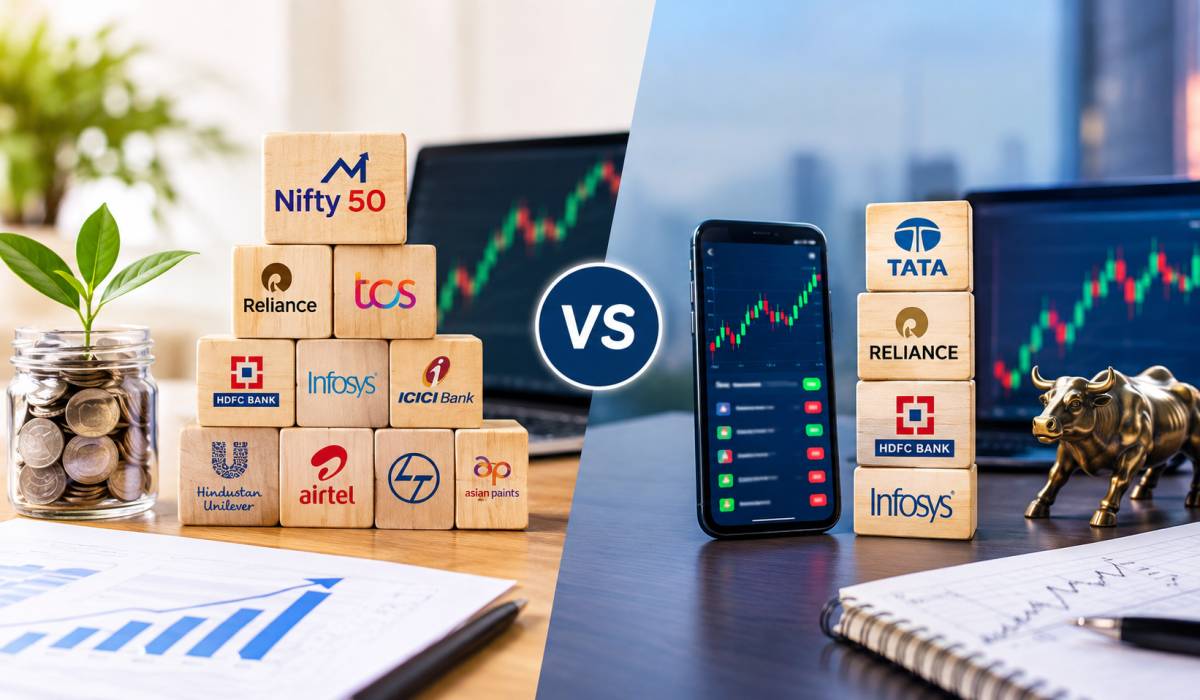
Nifty 50 vs Individual Stocks for Beginners: Which Is Better?
You wish to begin investing. You're confused though. But would it be better to own individual stocks or index funds of Nifty 50? This is a large question for every starter. The top 50 companies of India are tracked by Nifty 50. It provides diversification all in one. Single stocks are your investment in one company. If that company succeeds, you will get good returns. When it doesn't, you lose money.
Nifty 50 is safer and simpler for the beginners. There is no need to go and find out about companies or follow their quarterly returns. This guide explains the Nifty 50 vs individual stocks for beginners debate in simple words. No complicated terms. Simply give out information to aid you with your choices.
What is Nifty 50?
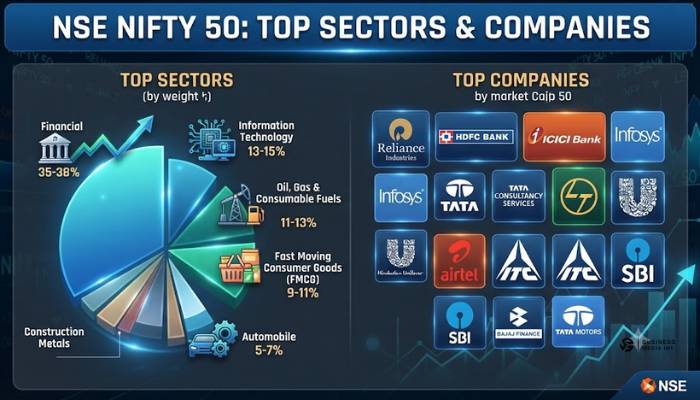
Nifty stands for National Stock Exchange Fifty . It is the main index of the National Stock Exchange (NSE). It tracks the top 50 companies in India . These are the biggest and most liquid companies. Think Reliance, HDFC Bank, Infosys, TCS, and ICICI Bank. They cover 13 sectors of the economy . When people say "the market is up," they often mean Nifty is up.
Nifty represents about 62% of the free-float market cap of all NSE stocks . This means it gives a good picture of how the Indian stock market is doing.
What are Individual Stocks?
Individual stocks are shares of a single company. When you buy a stock, you own a small piece of that company. You can buy shares of Reliance, Tata Motors, or any company listed on the stock exchange. Your returns depend entirely on how that one company performs.
Read More: NSE Stock Market Holidays 2026: Trading Dates and Holiday List
Nifty 50 vs Individual Stocks: The Key Differences
1. Diversification
- Nifty 50: You get exposure to 50 companies in one go. You own a small piece of each. This is called diversification. If one company does badly, others may do well. This reduces your risk. One SIP in a Nifty 50 index fund touches 50 companies .
- Individual stocks: You put your money in one company. If that company does well, you make good returns. If it does badly, you lose money. There is no safety net. You are fully dependent on that one company's performance.
2. Risk Level
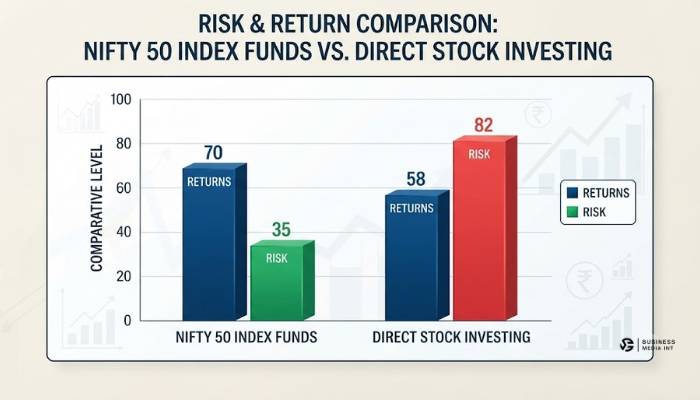
- Nifty 50: Lower risk. Because your money is spread across 50 companies. If one sector falls, others may balance it out. Research shows that over 70% of individual stock traders underperform basic index funds over a 5-year period .
- Individual stocks: Higher risk. Stock prices can move up and down a lot. A company can have a bad quarter and its stock can fall 10-20% in a day. Beginners often lose money because they buy stocks based on tips without doing research .
3. Effort and Time
- Nifty 50: Very simple. You invest in a Nifty 50 Index Fund or ETF. The fund manager does the work. You just put money regularly. No need to track company results. No need to read annual reports. No need to watch stock prices all day.
- Individual stocks: Needs a lot of time and effort. You need to research companies. You need to read financial statements. You need to track quarterly results. You need to understand the industry. You need to decide when to buy and sell. This is like a part-time job.
4. Cost
- Nifty 50: Low cost. Nifty 50 index funds have expense ratios of 0.2% to 0.43% . This means you pay very little for professional management.
- Individual stocks: Only brokerage charges. But the hidden cost is your time and the mistakes you make as a beginner. One wrong stock pick can cost you a lot.
5. Returns
- Nifty 50: Gives average market returns. Over the long term, Nifty has given around 12-14% annual returns . This is consistent and reliable.
- Individual stocks: Can give higher returns if you pick the right stocks. But can also give lower returns or even losses if you pick wrong. For most beginners, the chances of picking winning stocks are low. You are competing with professionals who have decades of experience and advanced tools .
Why Nifty 50 is Better for Beginners?
- You do not need special knowledge. You just invest and forget. The index does the work. You do not need to track markets or read company reports.
- You avoid emotional mistakes. Beginners often buy stocks when prices are high because everyone is talking about them. They sell when prices fall because they panic. This is the biggest reason beginners lose money. With Nifty 50, you just keep investing every month. You do not make emotional decisions.
- You get professional management at low cost. The fund manager handles all the buying and selling. You pay very little for this.
Research from SEBI shows over 70% of individual stock traders underperform basic index funds over 5 years . The data is clear. Most beginners are better off with Nifty 50 index funds.
When Individual Stocks Make Sense?
Individual stocks are not wrong. They are just the wrong starting point for most beginners . Once you have experience and understand how the market works, you can allocate a smaller portion (10-20%) to direct stocks . This should focus on established companies with strong fundamentals. But even then, your core portfolio should be in index funds.
You May Also Read: Top Infrastructure Stocks in India 2026: Complete Investment Guide
What is a Nifty 50 Index Fund?
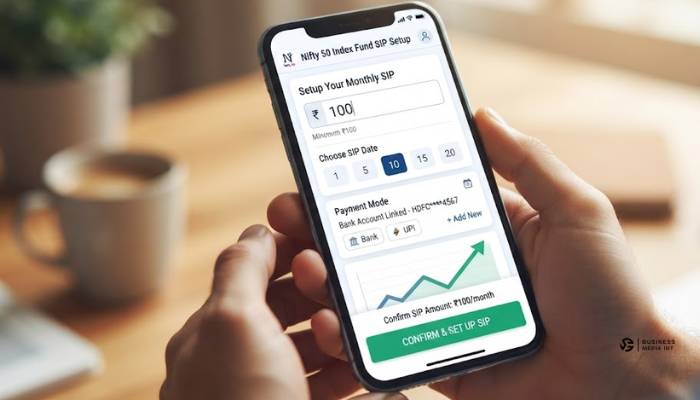
A Nifty 50 Index Fund is a mutual fund that mimics the Nifty 50 Index. When the index goes up, the fund goes up. When it falls, the fund falls. It gives you the same returns as the index. You can invest in these funds with as little as 100 . You can also set up a Systematic Investment Plan (SIP) and invest every month automatically .
The Verdict
For beginners, Nifty 50 is the smarter choice. It is safer. It is simpler. It requires less time and effort. It gives consistent returns. It protects you fom making emotional mistakes.
Individual stocks can come later, once you have built a solid base and understand how the market works. Start with a Nifty 50 Index Fund. Build your confidence. Then, if you want, you can add some individual stocks to your portfolio.
The most important thing is to start investing and stay consistent. Whether you choose Nifty 50 or individual stocks, the key is to begin. The earlier you start, the more your money grows.
FAQs
1. What is Nifty full form?
Nifty stands for National Stock Exchange Fifty. It tracks the top 50 companies on NSE. These are the biggest and most traded companies in India.
2. What is the difference between Nifty and Sensex?
Nifty has 50 companies on NSE. Sensex has 30 companies on BSE. Both show how the market is doing. Nifty gives a wider view because it has more companies.
3. Which is safer for beginners?
Nifty 50 is safer. Your money is spread across 50 companies. If one company fails, others balance it out. Individual stocks put all your money in one company. If that company falls, you lose everything.
4. How much return can I expect from Nifty 50?
Over long term, Nifty 50 gives around 12-14% annual returns. This is steady and reliable. Individual stocks may give more or much less.
5. How much money do I need to start?
You can start with just 100. Many index funds allow SIPs from 100. Anyone can start investing.
6. Can I invest in both?
Yes. Start with Nifty 50 as your main portfolio. Once you learn more, add 10-20% in individual stocks for extra returns.
7. Why do beginners lose money in stocks?
They buy when prices are high because everyone is buying. They sell when prices fall because they panic. They also do not have time to research companies properly. Nifty 50 removes these mistakes.