
Nifty Alpha Low Volatility 30 ETF Review: Share Price Today
ICICI Prudential's Nifty Alpha Low Volatility 30 ETF picks 30 solid stocks out of Nifty 100 and Midcap 50 lists, going for ones that pay off well but keep price jumps small. Started back in 2020, it packs in trusted players like HDFC Bank or State Bank of India up front, mostly banks and daily goods firms.
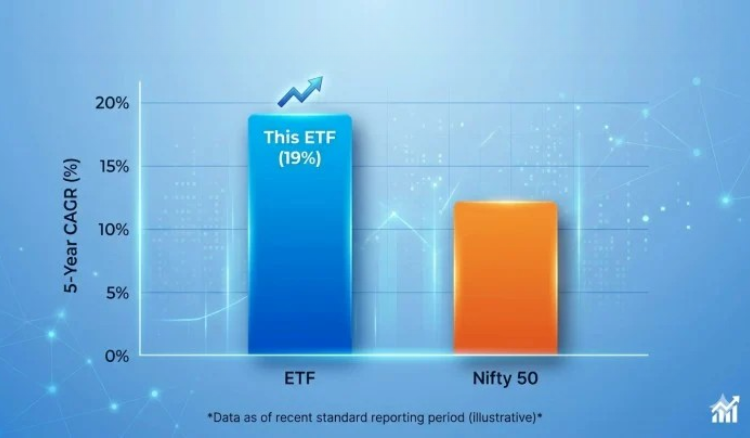
Right now in early 2026, that share price runs close to 27, with total money parked in it at 1,556 crore, and it has pushed out about 19% gains each year over the last five holding stronger than lots of others when markets shook. Running costs sit low at 0.42%, so working Indians eyeing a house down payment or school money like how it cuts worry without missing growth. Folks talking about it note the smart mix, even if it skips those wild high-flyers for sure steps
What Makes This ETF Different
This ETF follows the Nifty Alpha Low-Volatility 30 Index. The index takes stocks with high alpha, which means they beat the market on returns, and low volatility, which means their prices do not swing too much. Builders of the index start with about 300 stocks and rank them on these two points. They pick the top 30 that score best together.
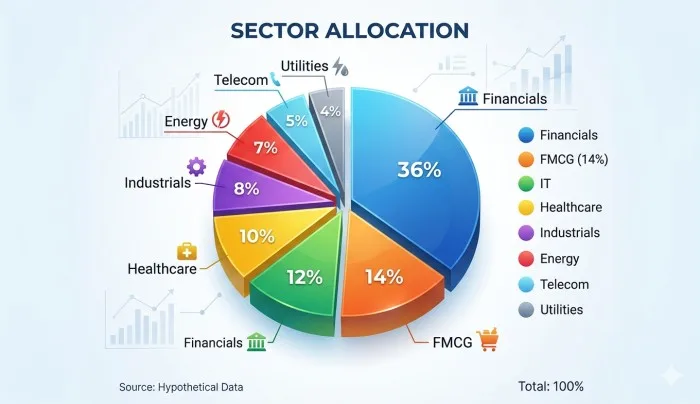
In practice, this means the ETF holds steady names like banks and consumer goods firms. For example, top holdings often include State Bank of India, HDFC Bank, and ICICI Bank, each around 4-5% of the fund. These are large companies that most people know and trust. The mix stays mostly in big and mid-size firms, with financial services taking nearly 40% of the space.
India's stock market can be bumpy with events like elections or oil price changes. This ETF aims to smooth that ride. Over the past five years, it has given returns around 19% per year since start, better than many broad market funds. Its standard deviation sits at 14.6%, lower than the average for similar funds.
Read More: Rex Osprey XRP ETF Options Trading Guide
Current Share Price and Growth Track
As of early March 2026, the Nifty Alpha Low Volatility 30 ETF share price stands near 27.22 on the NSE. This comes after a small daily drop of 1.86%, but the overall trend shows strength. Over one year, it has climbed well above 20 levels from last year. You can check live prices on platforms like Groww or ICICI Direct any time the market opens.
Assets under management have grown to 1,556 crore. That size shows more people putting money in, which helps keep trading smooth. The expense ratio of 0.42% stays low for an ETF, so your returns do not get eaten up much. No exit load means you can sell shares anytime without extra cost.
Look at past numbers: three-year returns hit 16.82%, five-year at 13.92% against category averages. Since launch in August 2020, it beats the benchmark with a Sharpe ratio of 0.80, showing good return for the risk taken. In tough market phases, like 2022 corrections, this ETF fell less than the Nifty 50.
Why Many Call It the Best Nifty Alpha Low Volatility 30 ETF
Investors pick this as the best because it fits Indian needs perfectly. salaried people in Delhi or Mumbai want growth but hate big losses. This ETF delivers that with its focus. ICICI Prudential manages it well, with fund managers like Nishit Patel since 2021 and others joining later.
Compare it to plain Nifty 50 ETF. The Nifty 50 has more volatile tech and energy stocks. This one shifts to defensive picks like Nestle India, Britannia, and Asian Paints. Sector spread covers banks at top, then materials, consumer goods, and health care. No single stock dominates over 5%, so risk spreads out.
Returns beat category averages by wide margins. For instance, inception CAGR of 19.74% tops peers. In low-vol category, it leads lists on sites like Tickertape for 2026. Low costs and tight tracking to the index make it stand out. If you seek stability with upside, this tops other low-vol options in India.
Full Review: Strengths and Weak Areas
Strengths start with proven results. The index method works across cycles. In bull runs, alpha gives extra push. In bears, low vol protects capital. Portfolio quality shines with blue-chip names. Liquidity stays good as NSE volume picks up daily.
Tax works like equity funds: long-term gains over 1 lakh taxed at 12.5% after one year. Short-term at your slab rate. Dividends taxed in hands, but ETF pays little as it tracks index.
Weak points exist too. It misses small pure growth plays, so in super bull markets, it may lag high-flyers. Midcap tilt at 13% adds some risk. Tracking error stays low, but not zero. Still, for most, gains outweigh these.
Real investor feedback on forums praises steady SIP growth. One user shared how 5,000 monthly since 2021 grew to over 4 lakh by 2026. Another noted it beat fixed deposits hands down during rate cuts.
Who Should Put Money Here
This suits conservative investors aged 30-55 with steady jobs. Families saving for kids' education or home down payment find it ideal. If you fear market crashes but want better than bank FDs, start here. Risk grade says very high, but numbers prove otherwise for this style.
New investors get a safe entry to equities via ETF ease. No need for stock picking. Seasoned ones use it to balance aggressive portfolios. Minimum buy just one share, around 27 now.
Avoid if you chase quick doubles or trade daily. Horizon of 5+ years works best.
You May Also Read: Best ETFs for Retirement Income 2026 for Steady Money
How to Buy Nifty Alpha Low Volatility 30 ETF
Open a demat account with Zerodha, Groww, or Upstox if you lack one. Search ticker ALPL30IETF on NSE. Buy like any stock during 9:15 AM to 3:30 PM. Use SIP via some brokers for rupee-cost averaging.
Track NAV daily on ICICI site or apps. Set alerts for price moves. Start small, say 10,000, and add monthly. Brokers charge low brokerage, often zero for delivery.

Conclusion
The Nifty Alpha Low Volatility 30 ETF stands out as a solid pick for anyone in India wanting steady growth without big market shocks. Its focus on strong yet calm stocks has delivered real results over five years, making it top choice for long-term savings like home loans or kids' college fees. If you hold for five years or more, this ETF can help your money grow safely amid India's busy markets.
FAQ
What does the Nifty Alpha Low Volatility 30 ETF share price look like right now?
Nifty Alpha Low Volatility 30 ETF share price hovers near 27 these days in early 2026, though it shifts a bit each trading day—always peek at NSE for the fresh figure.
Does the Best Nifty Alpha Low Volatility 30 ETF live up to the name in India?
Plenty of people rate the Best Nifty Alpha Low Volatility 30 ETF high because it blends decent gains with fewer price jumps, coming out ahead on fees and track record against rivals.
How did the Nifty Alpha Low Volatility 30 ETF hold up over the years?
The Nifty Alpha Low Volatility 30 ETF clocked roughly 19% returns year on year for five years, standing firm when broader funds took bigger hits during dips.
Which people go for Nifty Alpha Low Volatility 30 ETF share price?
Working men and women or households in places like Delhi turn to Nifty Alpha Low Volatility 30 ETF share price for equity exposure that does not keep them up at night.
What comes up in Nifty Alpha Low Volatility 30 ETF review talks?
Nifty Alpha Low Volatility 30 ETF review points to wins like cheap running costs and reliable big-name stocks inside, even if it passes on the wild growth chasers perfect for those who wait it out.