
What Is a Bond and How Does It Work for Traders in India?
A bond is like a loan you give to a government or company in India, where they pay you back the amount after a set time with regular interest. Traders buy and sell bonds on exchanges like NSE to profit from price changes when RBI rates shift.
Common types include safe G-Secs, corporate bonds, zero-coupon, floating rate, and tax-free ones from NHAI. Beginners can start with Rs 10,000 via Groww or RBI Retail Direct after opening a demat account. Bonds offer steady returns around 7% with less risk than stocks.
Bond Basics for Everyone
A bond is like a loan you give to a company or government. They take your money and promise to pay it back after some years with extra money as interest.
Think of it this way. You give Rs 10,000 to a firm. They use it for their work. Every year, they pay you Rs 700 as interest. At the end of five years, they return your full Rs 10,000. That is the simple idea behind bonds.
In India, the government sells bonds called G-Secs to build roads and schools. Companies sell corporate bonds to grow their business. Traders watch these bonds because their prices go up and down every day.
Read More: RBI Floating Rate Bonds Retail Investor Guide: Safe Way to Grow Your Money

How Bonds Work Step by Step?
When you buy a bond, you get a paper or digital record. It says the issuer will pay interest on fixed dates. This interest is called coupon. Most bonds pay it every six months or once a year.
The bond has a start date and end date. The end date is maturity. On that day, you get back the main amount you put in. This main amount is face value, often Rs 100 or Rs 1,000.
Prices of bonds change based on interest rates from RBI. If RBI cuts rates, old bonds with high coupons become more valuable. Traders sell them at higher prices for profit. If rates rise, bond prices fall. Traders buy low and wait for gains.
For traders in India, bonds trade on platforms like NSE or BSE. You need a trading account. Prices move with news on economy or company health. Many traders hold bonds for short time to catch these moves.
Bonds for Traders in Indian Market
Traders treat bonds like shares but with less risk. They buy in primary market when new bonds come out. Or they trade in secondary market where old bonds change hands.
In secondary market, bond price depends on yield. Yield is interest you earn if you hold till end. If market yield drops, price rises. Traders use this to make quick money.
Take an example from India. Suppose a 10-year G-Sec has 7% coupon. RBI announces rate cut. Demand grows, price jumps from Rs 100 to Rs 105. Trader sells and pockets Rs 5 profit per bond.
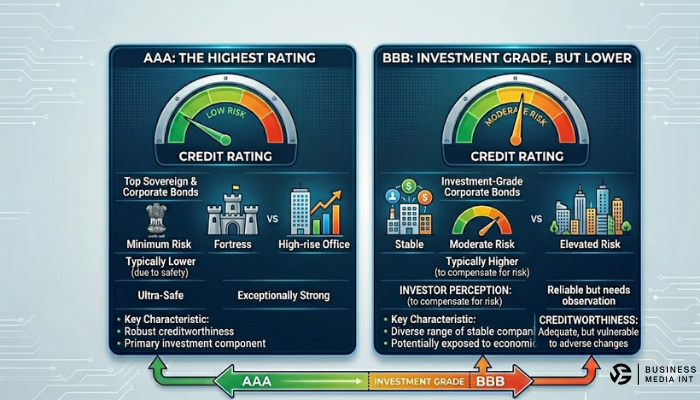
Volume is high in government bonds. Corporate bonds have less trade but higher yields, around 9-12%. Traders check credit rating from CRISIL or ICRA. AAA means safe, low profit. BBB means riskier, more gain chance.
What are the 5 Types of Bonds in India?
- India has many bond types. Here are five common ones that traders and beginners pick.
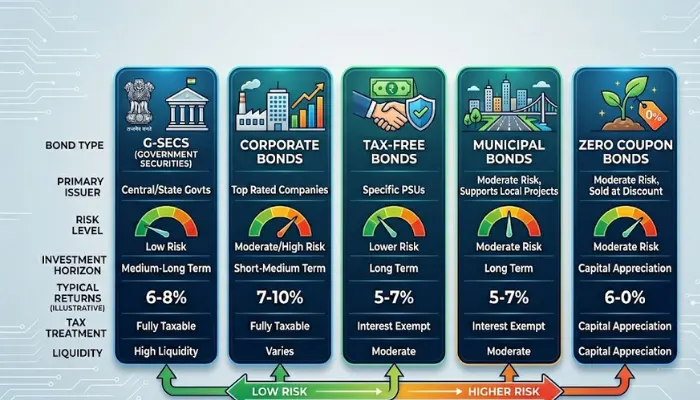
- Government bonds or G-Secs are safest. RBI issues them. Yields now around 6.5-7%. No default risk, good for steady trade.
- Corporate bonds come from firms like Reliance or Tata. They pay 8-10% interest. Traders like them for price swings when company news hits.
- Zero-coupon bonds pay no interest during time. You buy at low price, say Rs 800, get Rs 1,000 at end. Profit is built in. RBI floating rate bonds adjust with market rates. Good when rates change fast.
- Tax-free bonds from NHAI or REC save income tax. Yields after tax beat others. Effective rate 5.5% equals 8% taxable for 30% tax bracket. Traders hold short term.
- Each type fits different goals. Government for safety, corporate for income.
How to Invest in Bonds for Beginners in India
- Starting with bonds is easy if you follow steps. First, open demat and trading account with Zerodha or Groww. Link your bank and PAN.
- Complete KYC online. It takes one day. Then search bonds on app. Check yield, maturity, rating.
- Buy in primary through RBI Retail Direct or stock exchange. For secondary, place order like shares. Start small, Rs 10,000.
- Or use mutual funds like HDFC Corporate Bond Fund. No demat needed. Invest via SIP, Rs 500 monthly. Funds spread risk across bonds.
- Watch RBI repo rate. It affects all bonds. Use apps like Bondbazaar for live prices.
Risks Traders Face with Bonds
Bonds seem safe but have traps. Interest rate risk hits when rates rise, prices fall. You lose if you sell early.Credit risk means issuer may delay payment. Stick to high-rated bonds. Liquidity risk slows selling in small bonds.
Inflation eats real returns. If inflation 6%, 7% bond gives just 1% real gain. Forex risk for foreign bonds, rupee fall hurts.Traders manage with stop loss and diversify. Hold 20% portfolio in bonds.
You May Read Also: How to Calculate Bond Return: Simple Steps and Examples Guide
Tips to Pick Right Bonds
- Match bonds to your needs. Short term for quick trade, long for steady income. Check issuer history.
- Use online platforms for comparison. Bondbazaar shows yields live. Read prospectus for hidden fees.
- For tax, hold over one year for lower tax. Index bonds track sensex, good for stock lovers.
- Review every three months. Sell if rating drops.
Why Bonds Fit Indian Investors Now
In 2026, RBI holds rates steady. Bonds give better returns than FD at 6-7%. Stock market ups and downs make bonds a balance.
Beginners build wealth slow. Traders add thrill with trades. Start today, grow tomorrow.
Conclusion
Bonds suit Indians who want returns without too much risk. RBI keeps rates steady now, so G-Secs and corporate bonds give good income around 7%. Traders find chances in price moves on NSE. Use this info on what a bond is and how it works for traders—get your demat ready and put some money to work.
FAQ
What is a bond a nd how does it work for traders?
You loan money to government or firm, they pay interest till end date. Traders sell when RBI rate cuts lift prices on exchanges.
What are the 5 types of bonds in India?
Government G-Secs stay safe, corporate ones pay more, zero-coupon build gain at end, floating match market shifts, tax-free from NHAI cut your tax bill.
How to invest in bonds for beginners?
Set up demat on Groww or Zerodha, pick rated bonds, buy from RBI site or apps with just Rs 10,000 to start small.
Do bonds carry risk for traders in India?
Government ones almost never fail, but rate hikes drop prices fast—good for buy-low trades if you time right.
What returns do bonds offer today?
6.5% on safe G-Secs up to 10% on corporate—always check rating first to avoid trouble.