
Difference Between Trading and Investing for Beginners
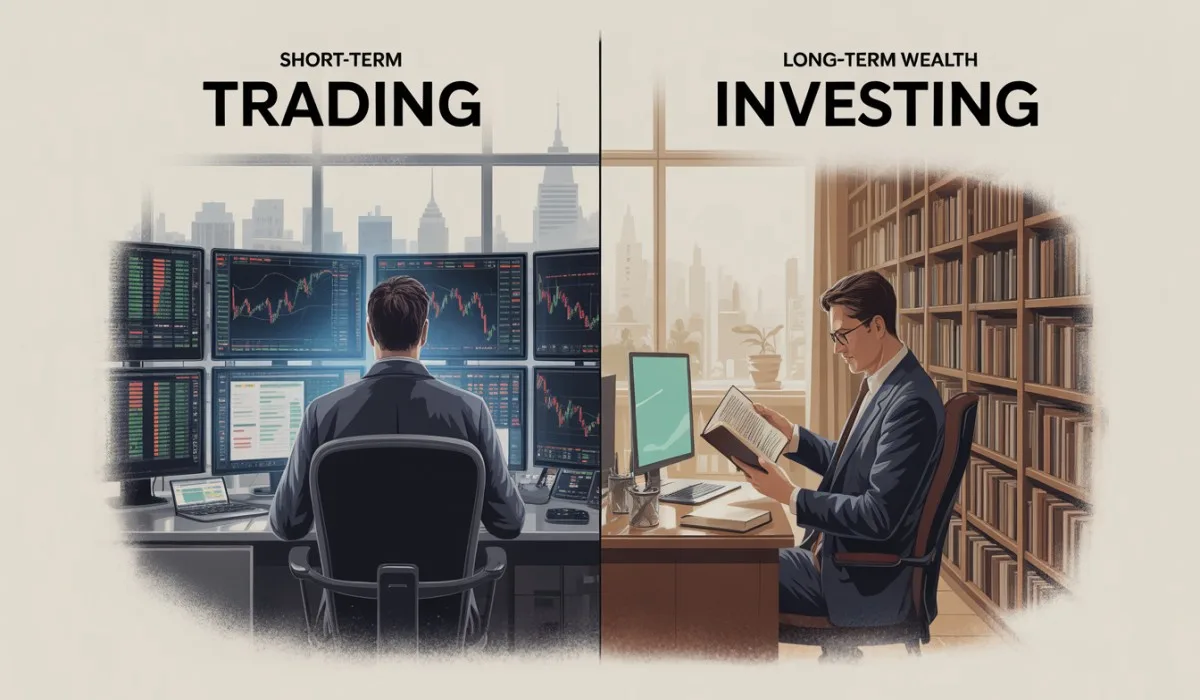
You know how some people treat the stock market like a casino, jumping in and out for quick wins, while others just park their money and let it grow over time? That's the heart of the difference between trading and investing—it's all about your speed and style. If you're dipping your toes in for the first time, nailing this down early keeps you from chasing shiny objects and losing your shirt.
Trading: The Fast Lane
Trading feels like haggling at a busy market. You spot a stock dipping because of some rumor, buy in hoping for a rebound, and sell off a few hours later if it pops 3%. It's not about loving the company—it's pure price action.
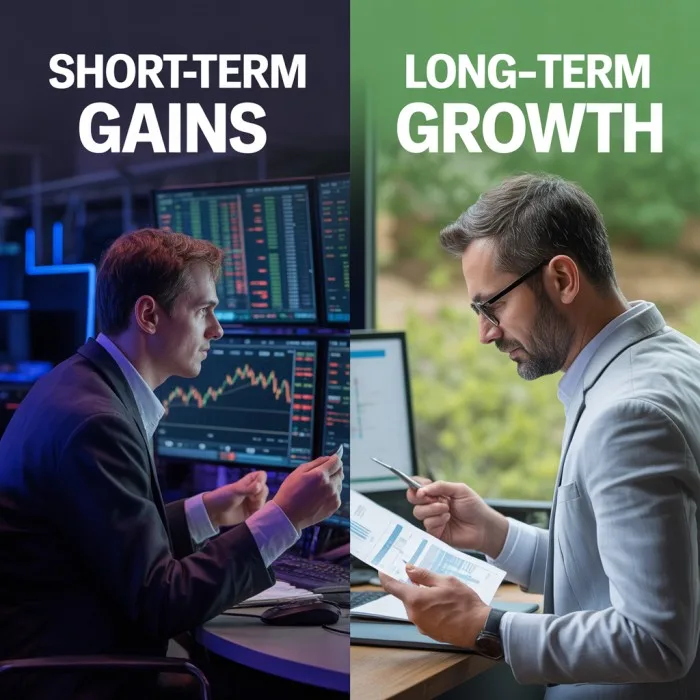
Guys doing this full-time glue their eyes to screens, reacting to every tick. News hits about a product launch? Boom, they're in. Earnings miss? Out before lunch. They might flip the same stock five times a week, riding tiny waves for profit.
I remember my neighbor trying this back in 2021. He made a killing on a few meme stocks, but then one bad call wiped out two months' gains. It's thrilling, sure, but demands ice in your veins.
Investing: The Slow Burn
Investing is closer to buying a rental property. You handpick solid outfits—like a bank everyone uses or a tech giant printing cash—buy their shares, and sit tight. Years pass, dividends roll in, and the value climbs as the business thrives.
No panic over daily drops. You ask: Does this company make steady profits? Got debt under control? Room to grow? Names like TCS or ITC fit the bill—they've rewarded holders for decades.
My aunt started small 15 years ago, adding a bit each month. Today, her pot's tripled, funding grandkids' college. That's the quiet power here.
Read More: Difference Between Swing Trading And Day Trading Strategies
How Time Changes Everything
Here's where it splits wide open. Traders operate on minutes, days, maybe weeks. Catch a trend, ride it, bail. Miss the exit? Pain.
Investors think in multi-year chunks. Buy at 40, sell at 70—or never. Folks like Buffett preach this: compound your gains, let time do the heavy lifting.
If life's busy with work or kids, trading's a distraction. Investing slots in easy, like checking your bank app once a month.
Risk: High Stakes vs Steady Climb
Trading's a wild ride. Short-term prices bounce like a rubber ball—up 5% one hour, down 4% the next. Add borrowed cash (leverage), and small slips turn catastrophic.
Investing evens out. Sure, crashes happen—2008, 2020—but recoveries follow. Spread across 15 stocks or a fund, and no single flop kills you. Over 20 years, India's Nifty's delivered around 12% average yearly, outpacing most savings accounts.
New folks hear trading horror stories and stick to investing. Smart move.
What It Takes to Pull Off Each
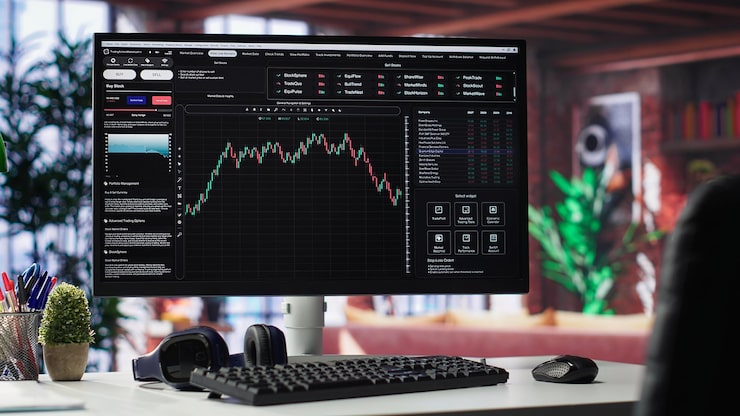
Traders geek out on charts. Lines showing averages, bars for volume, squiggles signaling buys. Free apps like TradingView light it up; you backtest ideas without real cash.
Investors poke at company reports. Sales up? Margins healthy? Tools like Screener.in make it simple—no math degree needed.
Side-by-side look:
| Key Area | Trading | Investing |
|---|---|---|
| Time Frame | Hours to weeks | Years on end |
| What You Watch | Price patterns | Company results |
| Activity Level | Dozens of moves monthly | A few tweaks yearly |
| Upside Potential | Quick doubles possible | Steady compounding |
| Stress Factor | Non-stop alerts | Set and check later |
Trading vs Investing: Who's Winning on Money?
The big question: trading vs investing which is more profitable? Skilled traders can crush it—turn 50k into 1 lakh fast. But reality bites: most bleed out from sloppy entries, fees, and tilt.
Investing stacks the deck for you. Drop 20k in a broad market fund at 10% average growth. In 20 years, it's over 1.3 lakhs, no extra effort. Toss in monthly adds, and you're laughing.
Social media flaunts trader wins; ignores the graves. Patient holders end up ahead.
The Fee Trap Nobody Talks About
Every trade costs: broker cuts, taxes on quick flips (your income slab, up to 30%). Do 30 a month? Kiss 1-2% of gains goodbye yearly.
Investing? Dirt cheap. ETFs charge 0.05-0.2%, and hold over a year for 12.5% tax on big wins. Over decades, that's lakhs saved.
Quick math: 1 lakh active trading might net 6% after drag. Passive? Closer to 10%.
Head Game: Why Most Fail
Trading messes with your head. See red? You double down hoping for bounce. Green streak? Greed pushes bigger bets. It's human nature sabotaging.
Investors fight doubt during dips—"Should I sell?" Discipline wins: stick to quality, tune out Fox News equivalents.
Chats with traders reveal the quit rate. One bad month, and poof—back to job hunting.
Everyday Folks Who Nailed It
Take Vikram, a Bangalore engineer. Traded options in 2022 bull, pocketed 60k profit. Bear market? Lost double. Now 80% in index funds, trades 10k side cash. Sleeps sound.
Lata, working mom from Pune, SIP'd 3k monthly into diversified funds since 2015. Corpus at 8 lakhs now, no market watching. Her story's common in family WhatsApp groups.
Getting Started Without the Hype
Difference between trading and investing for beginners? Test your fit. Got hours to study screens? Trade play money. Want growth minus headache? Invest.
-
Read Zerodha's free lessons or "One Up on Wall Street."
-
Sign up at Groww—zero fuss account.
-
Demo trade to feel it out.
-
Start investing: UTI Nifty ETF or HDFC Midcap fund.
-
Limit to spare change—5k max at first.
Ease in, no rush.
Hits and Misses for Each Path
Trading Perks
-
Fast cash if you click.
-
Works bull or bear.
-
Sharpens your market sense.
Trading Downs
-
Losses common.
-
Eats your time.
-
Tax man loves it.
Investing Strengths
-
Builds lasting wealth.
-
Hands-off vibe.
-
Cheaper long run.
Investing Weak Spots
-
Gains creep slow.
-
Dips test patience.
-
Locks money away.
Figuring Your Best Fit
Job keeping you tied? Core invest, tiny trade experiments. Free evenings? Dive into trading systems.
Many blend: safe bucket for life, fun bucket for swings.
You May Also Read: Crypto Trading vs Stock Trading: Outlook 2025
Traps That Snag Rookies
Telegram "sure tips"? Scams. Don't margin trade fresh. Track every trade in a notebook.
Buy high on buzz, sell low scared—that's the newbie special.
First Portfolio Blueprint
- Invest: 55% big names, 25% growing mids, 20% safe debt. Shuffle once yearly.
- Trade: Bank Nifty, risk 1% per go, cut losses at 1.5%.
Track via ET app or Excel.
What History Teaches Us
Dips like 2022? Traders fled. Investors scooped deals, rode recovery. Nifty's long arc: up, despite wobbles.
India's economy chugs—favor holders.
FAQs on Trading vs Investing
1. Core difference between trading and investing?
Trading's short flips on price swings for fast gains; investing's long holds betting on company growth and payouts. Beginners should note traders hustle daily, investors plan yearly—pick by your schedule.
2. Trading vs investing which is more profitable overall?
Investing suits most with reliable 10-12% yearly compounding, no daily grind. Trading flashes big wins for experts but traps 80-90% in losses via fees and slips; long-term, holders come out on top.
3. Safe for beginners to pick one?
Investing's beginner-friendly—SIPs in funds need basics only. Trading? Practice demos first; real money burns quick without chart chops. Both start at 5-10k, but investing builds confidence slower.
4. Daily time sink for each?
Trading chews 3+ hours hunting setups, executing. Investing: 10-20 mins monthly scans. Newbies thrive on investing's low-key pace unless markets are your hobby.
5. India tax rules for both?
Trades under a year: income tax slab (up to 30%). Over a year: 12.5% LTCG above 1.25 lakhs. Investing slashes bills—hold long, keep more gains fueling growth.
6. Mix the two approaches?
Smart play—bulk in ETFs for steady build, sliver for trading tests. Separates risks, lets you learn trading without tanking savings; many pros swear by it.